Synthetic data · Simulation infrastructure · Physical AI
We Create Amazing Simulated World for Real Robot.
The complete learning infrastructure for physical AI.
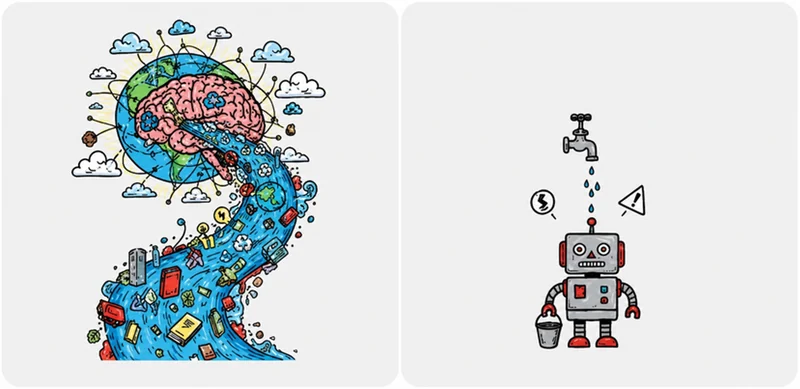
The bottleneck in Physical AI is a severe shortage of data.
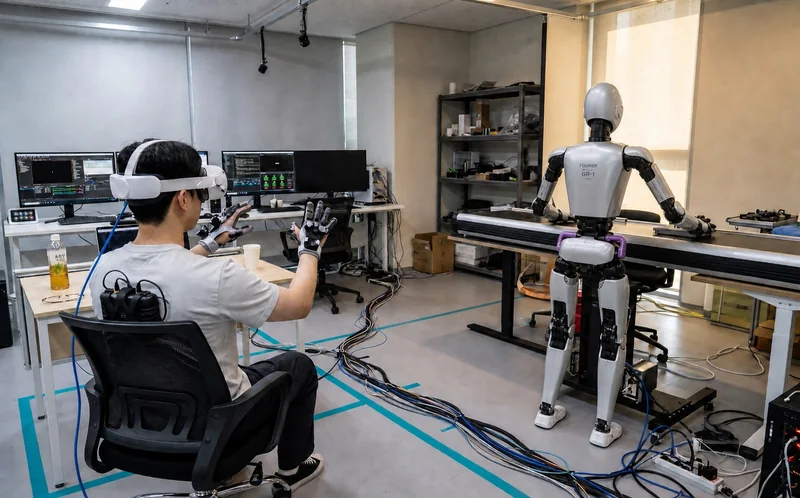
Language models trained on billions of documents. Robotics has a fraction of that — and unlike text, physical interaction data cannot be scraped. It has to be performed, one episode at a time, by a human holding a controller.
Every major lab has converged on the same answer: simulation.
So we run two engines.
Physics first. Rendering second.
Pipeline · 5 steps · validated episodes only
Describe the motion. Get validated data.
One line of natural language becomes a physically validated episode. A request resolves to objects in the catalog, target coordinates, and a scene layout that is checked before anything runs.
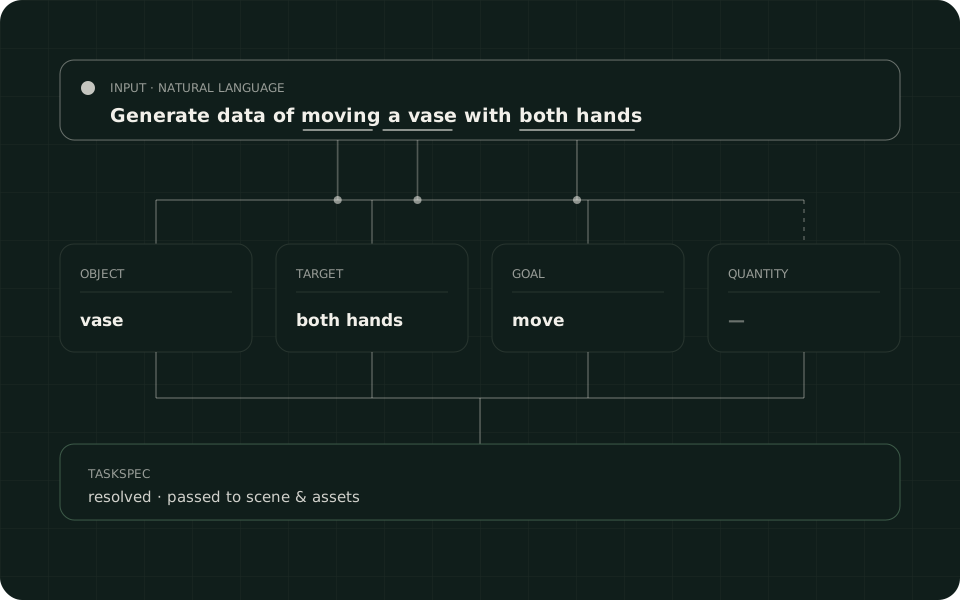
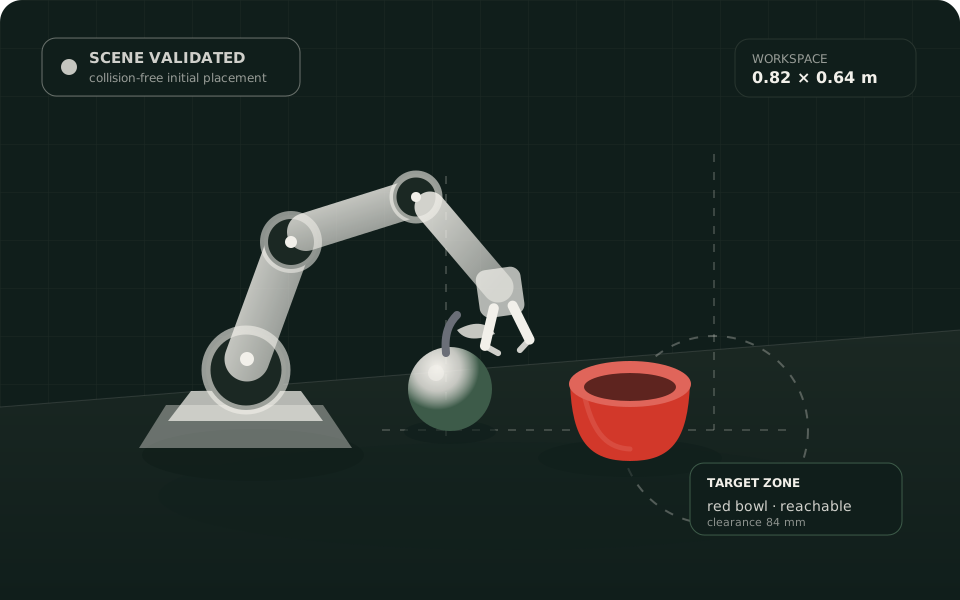
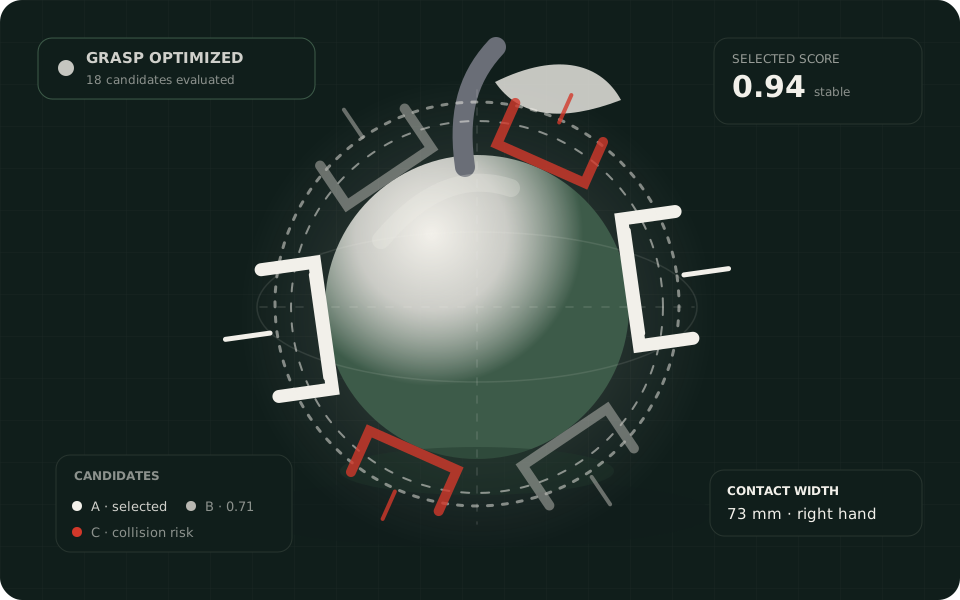
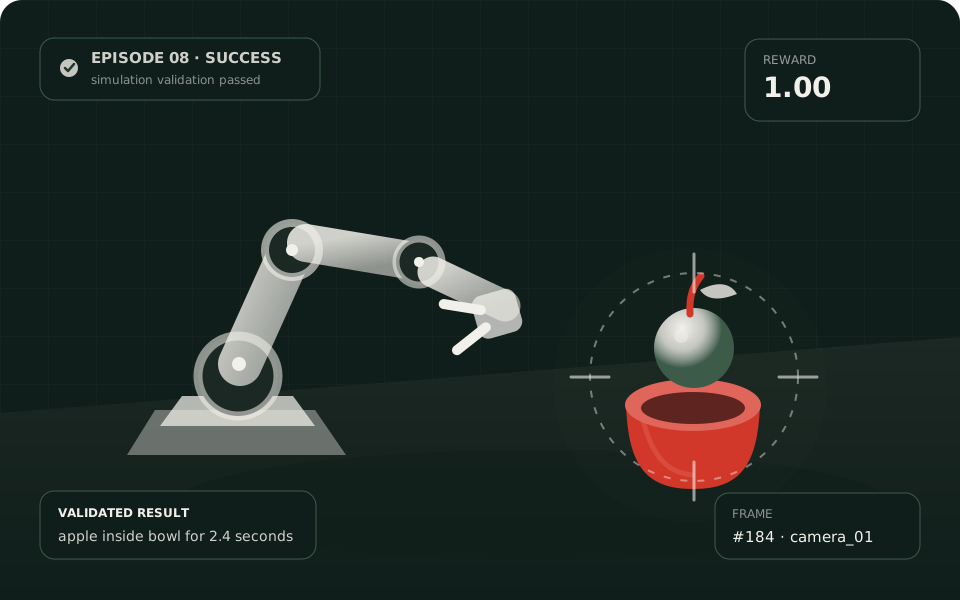
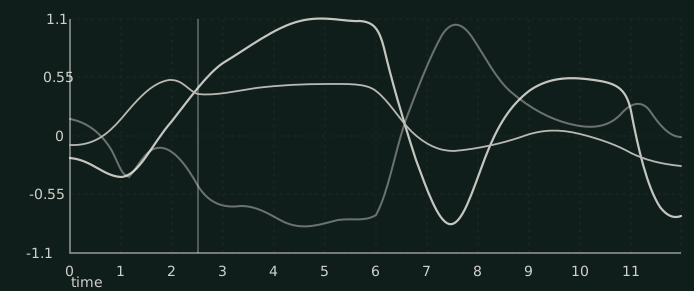
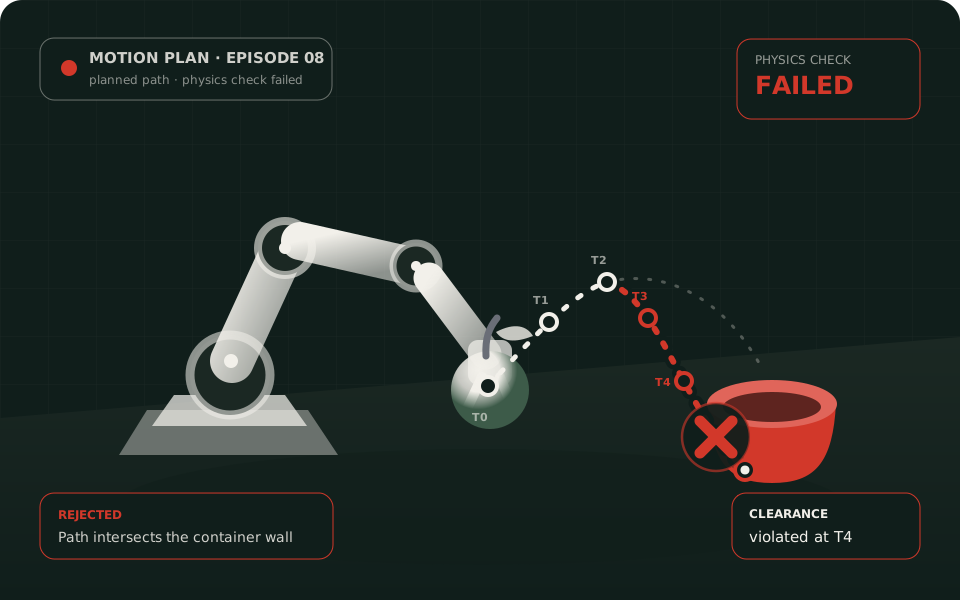
Validation is not a review step at the end. It is inside the loop. Failed attempts are discarded and retried automatically with a different candidate or seed, in parallel — so nobody is inspecting output by hand.
Precise enough to learn from.
Beautiful enough to believe.
Physical fidelity and photoreal rendering. We give up neither.
Base data is generated fast and integrity is confirmed before a single frame is rendered. Most pipelines do it the other way round — render first, validate after. Ours never spends high-quality rendering on data that has not cleared physics. Faster, and cheaper.
Only validated episodes go on to the rendering pipeline, where physically based rendering and light simulation minimise the visual Sim-to-Real Gap. Joint and actuator physics survive the conversion intact.
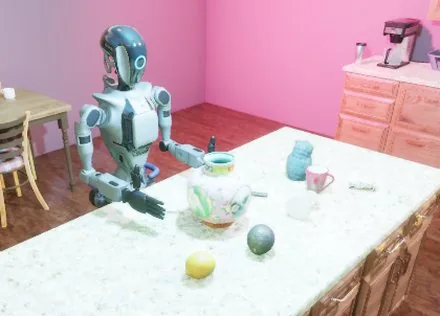
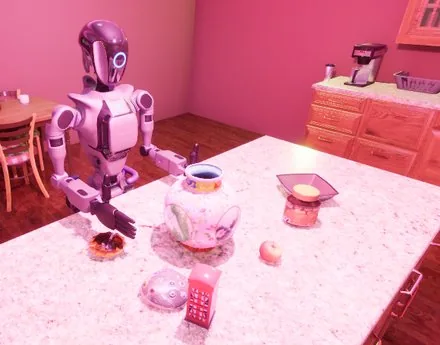
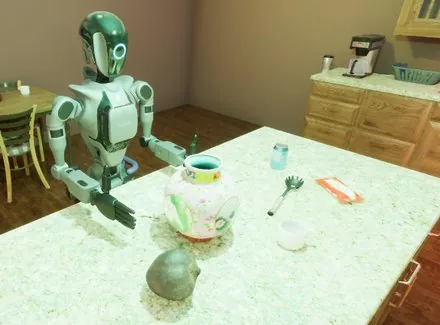
The trajectory stays fixed while lighting, object placement and floor material randomize — turning one motion into dozens of situations the model reads as entirely different.
 01
01
 02
02
 03
03
Synthetic datasets · RGB · trajectories · tactile
Complete multimodal episodes — including tactile.
One motion produces every channel at once: egocentric and third-person RGB, joint trajectories in LeRobot schema, and per-sensor contact force logged at every timestep. Depth, proximity, segmentation and object pose extend the same episode on request.
LEROBOT SCHEMA
A single episode yields first-person video, LeRobot data and Sim-tactile contact readings, all on the same timestamp. Vision, control input and touch arrive as one integrated dataset you can train a robot on.
Other multimodal channels are available on request.
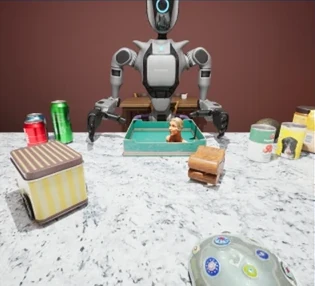 THIRD-PERSON RGB
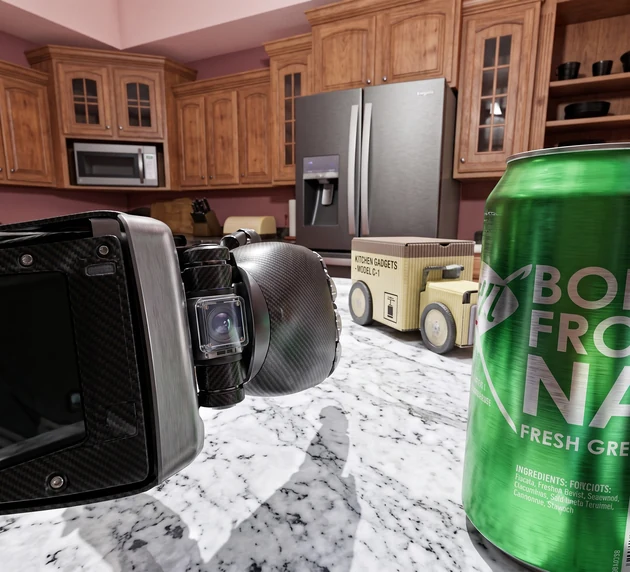 WRIST VIEW
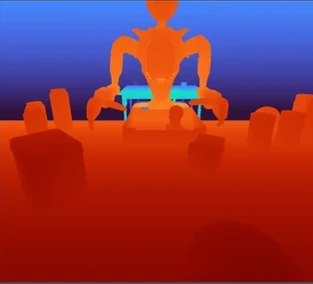 DEPTH
DEPTH
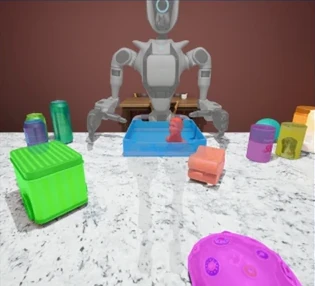 AMODAL MASK
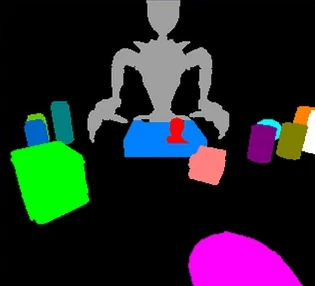 SEGMENTATION
Precision motion control for general-purpose robots: UDM (Unified Dextrous Manipulator)
UDM is our own framework for precise motion control on general-purpose robots, and it builds up grasp and trajectory data as a library. The same task definition holds when the hand geometry or the robot platform changes.
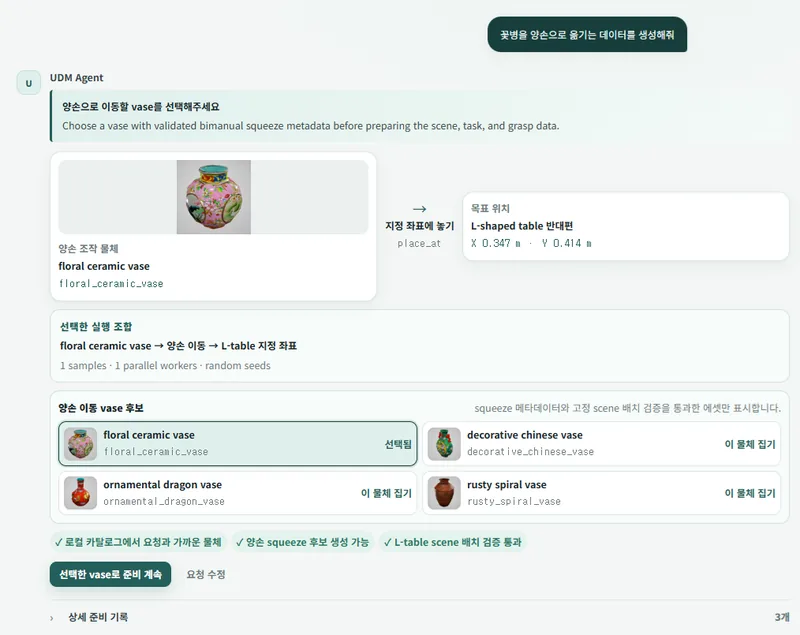
General-purpose models and special-purpose platforms alike.
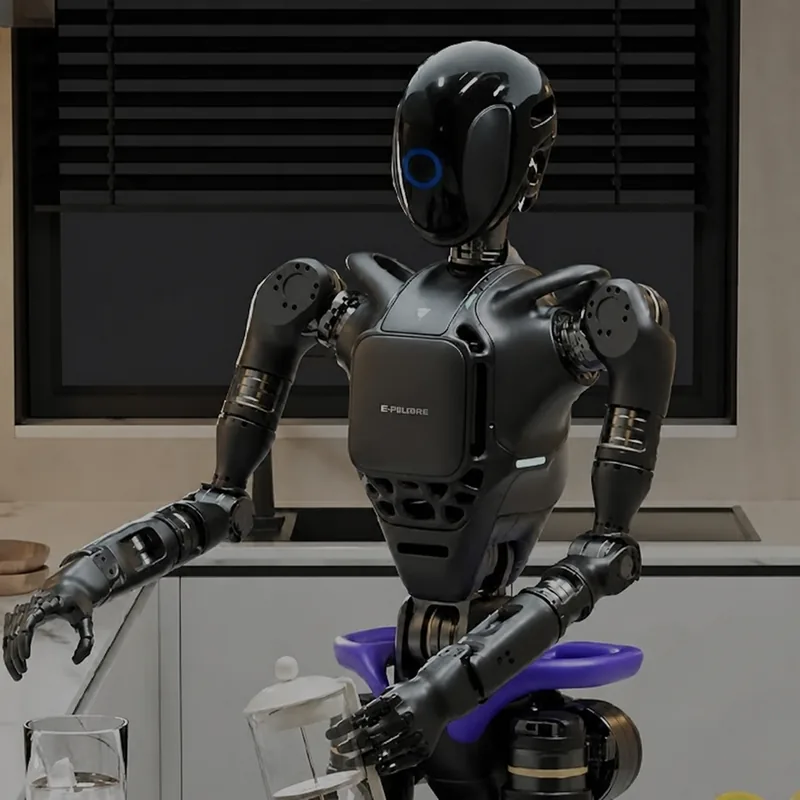
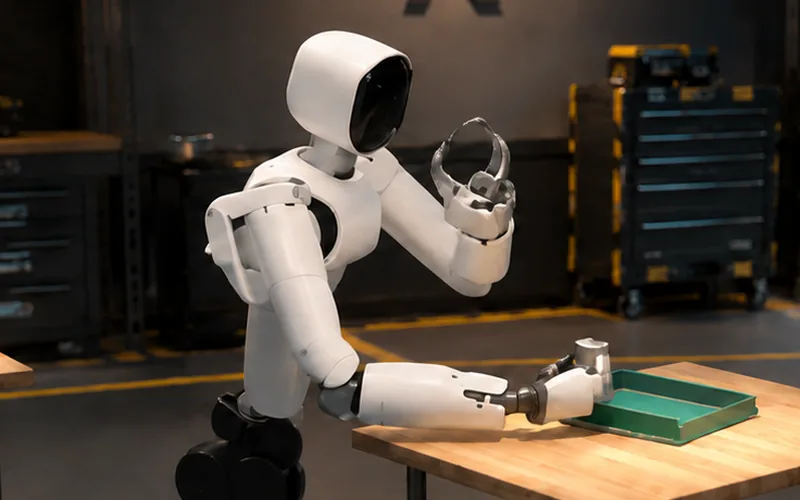
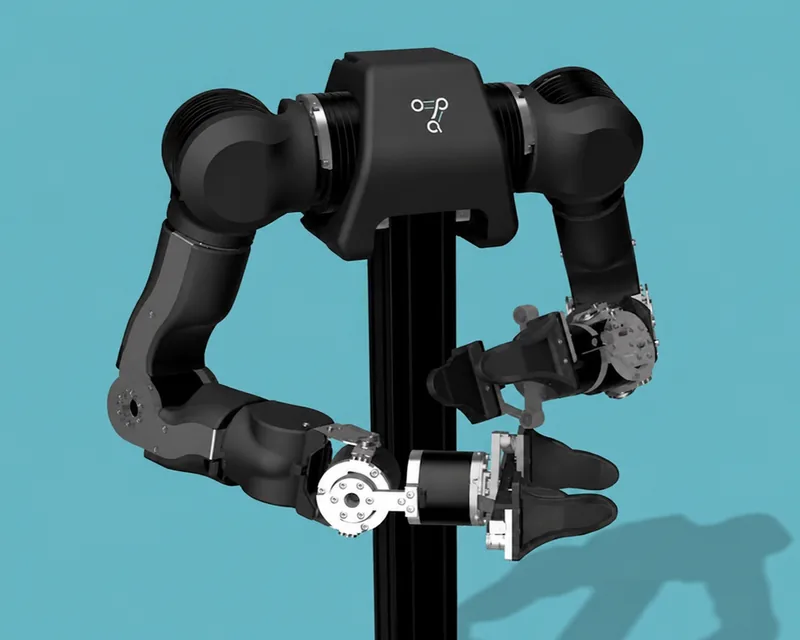
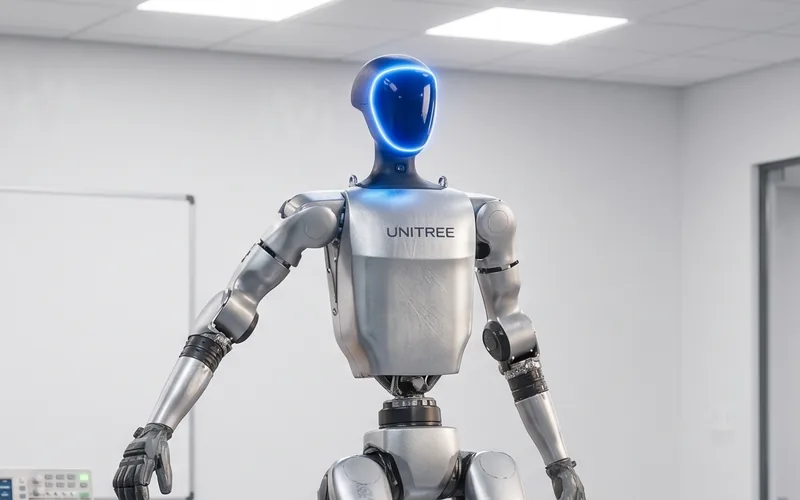
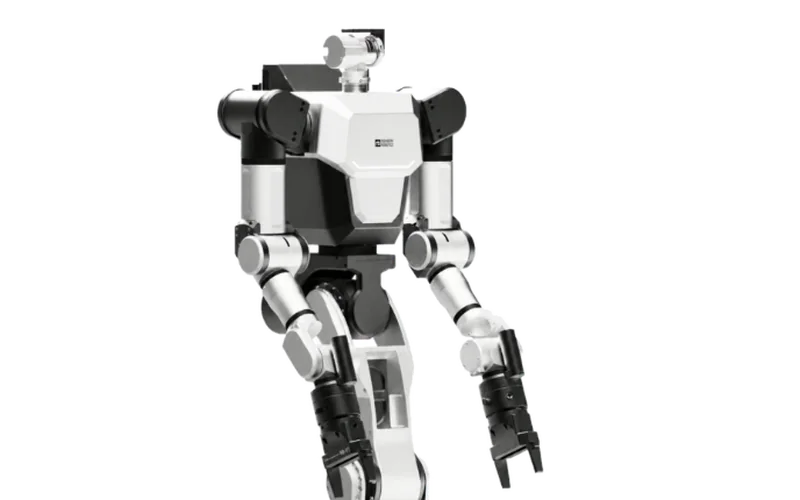
Hand library · one framework across many hands and humanoids
UDM universality ② — every hand geometry, every way of gripping
in progress
We build the whole infrastructure robot learning needs.
Some teams want only the episode data. Some want the environment that produces it. We build both, plus the assets and simulators underneath — as one stack, so physics, assets and coordinate frames agree with each other.
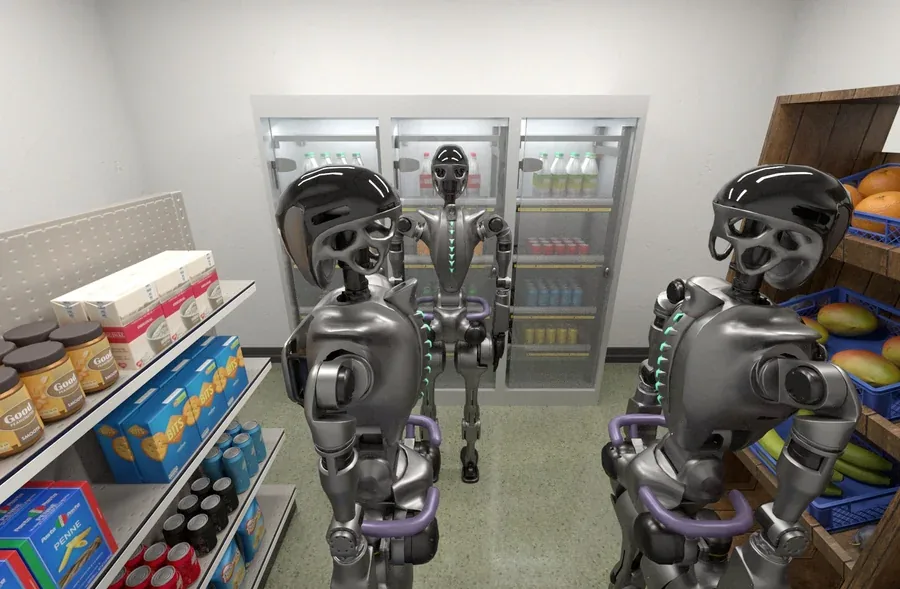
Retail floor, warehouse, production line, service counter — built to fixture-level dimensional accuracy, not approximation. Scene, robot and task are independent modules, so an environment recombines instead of being rebuilt.
Domain randomization is designed in from the start: objects, lighting and task conditions vary without touching the underlying scene.
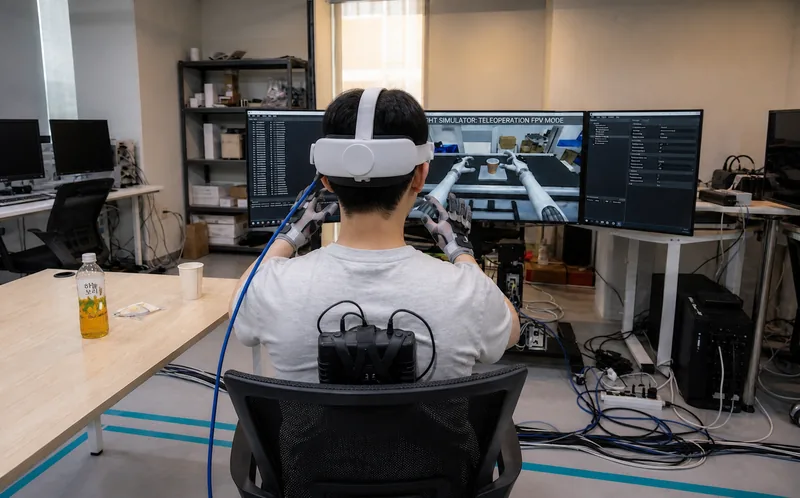
A physical rig limits how many people can practice, demonstrate, or collect data at once. One line, one operator, one session at a time. A task-specific simulator removes that ceiling entirely.
Ours run the same control interface as the real robot — ROS integration, VR teleoperation support — so an operator's existing workflow transfers unchanged.
Object types carrying material properties, collision meshes and joint structure — physics-ready on arrival, not scanned meshes that need a week of cleanup before they can enter a scene. We hold a broad Sim-Ready catalog, and anything not in it we produce on our own pipeline.
Objects that are difficult or expensive to source physically are simply modeled.
We don't only supply the data.
We build what it's measured against.
We research and build the frameworks that verify a dataset's physical consistency and score its quality, and the benchmarks that measure precise humanoid motion. A score only means something if the environment it is measured in is accurate, so the work covers the scene, robot and task modules and the randomization that decides how far a benchmark generalizes.
We are also working with academic partners on a benchmark platform for world models — measuring zero-shot prediction and the 3D and spatial consistency of generated video. You have to be able to measure what a model cannot do before claiming what it can.
PHYSICS SIM Lab sets the global reference point for synthetic data quality.
Tell us what you want your robot to learn.
Whether you need episodes for pre-training, task-specific fine-tuning data, a digital twin of your line, or the simulator to run it — start with a conversation about the task.
ask-psl@pslab.ai